About Precipitated Silica (Anti Block Grade)
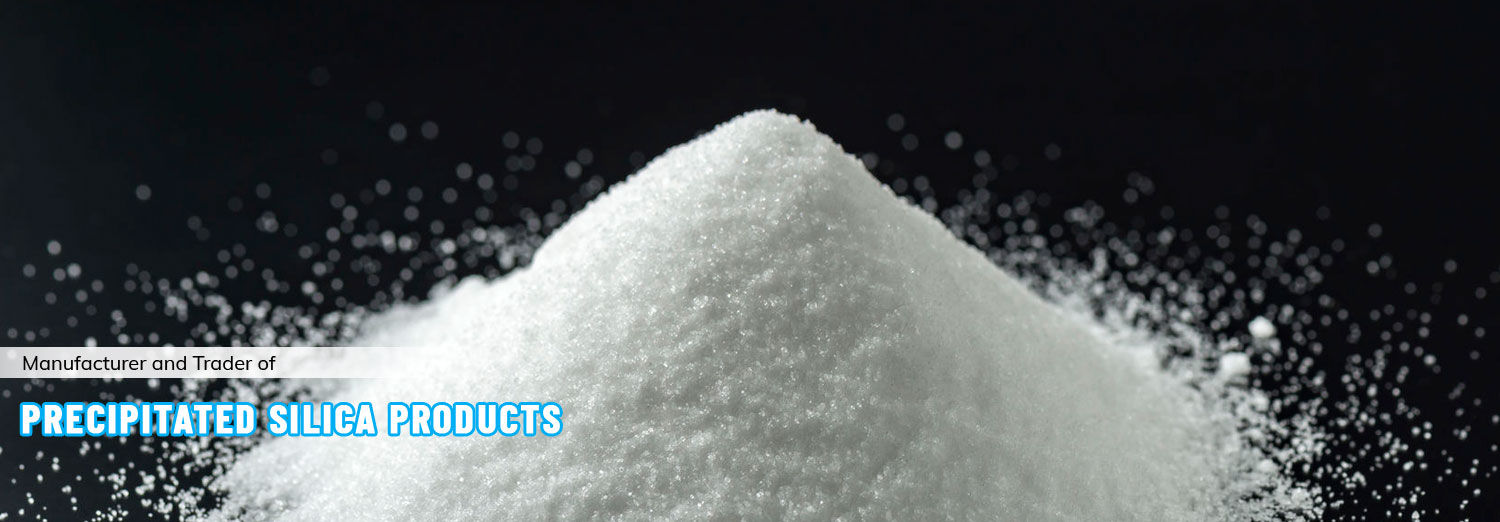
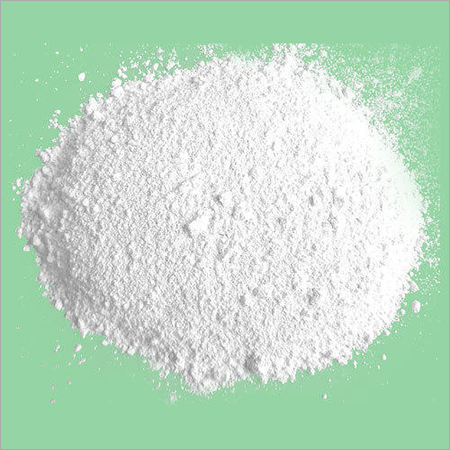
White powder based Precipitated Silica (Anti Block Grade) is accessible in 95%% pure form. Ph value of silica ranges between 6.5 to 7.5. Offered mineral based powder is used as suitable anti blocking factor in plastic master batches. Free from toxic content, offered silica is used for strengthening rubber. It acts as suitable fortification factor in different elastomeric mixing substances. During color mixing process, this chemical compound is used as white filer. Excellent dispersion effect and good processing attributes are some of its unique features.
Precipitated Silica (Anti Block Grade) Specifications:
1. Color: White
2. Form: Powder
3. Purity: 99%%
4. Solubility: Practically insoluble in water
5: Formula: SiO2
Precipitated Silica FAQ:
Q. What is Precipitated Silica?
Ans: Precipitated silica is a form of synthetic silicon dioxide (SiO2) produced by chemical processes, often involving the precipitation of silica from sodium silicate.
Q. How is Precipitated Silica Produced?
Ans: It is typically produced by mixing sodium silicate with a mineral acid under controlled conditions, leading to the precipitation of silica particles.
Q. What are the Applications of Precipitated Silica?
Ans: Precipitated silica finds applications in various industries, including rubber, plastics, coatings, adhesives, food and beverage, pharmaceuticals, and personal care products. It is used as a reinforcing filler, thickening agent, anti-caking agent, and more.
Q. How Does Precipitated Silica Improve Rubber Properties?
Ans: In rubber applications, precipitated silica is used as a reinforcing filler. It enhances the mechanical properties, such as tensile strength and abrasion resistance, and can also improve wet traction and reduce rolling resistance in tires.
Q. What is the Role of Precipitated Silica in the Food Industry?
Ans: In the food industry, precipitated silica is often used as an anti-caking agent to prevent the formation of lumps in powdered or granulated food products. It is considered safe for consumption.
Q. Is Precipitated Silica Different from Fumed Silica?
Ans: Yes, precipitated silica and fumed silica are different. Fumed silica is produced by the vapor-phase hydrolysis of silicon compounds, resulting in a fine, high-surface-area powder. Precipitated silica is produced through chemical precipitation from a solution.
Q. Can Precipitated Silica be Harmful to Health?
Ans: Precipitated silica is generally considered safe for use in various applications. However, like any fine particulate substance, inhalation of large quantities of airborne silica dust should be avoided. Safety precautions and guidelines provided by manufacturers should be followed.
Q. Does Precipitated Silica Have Environmental Impacts?
Ans: The environmental impact of precipitated silica production depends on specific manufacturing processes. Many manufacturers employ environmentally friendly practices, but its essential to consider individual cases.
Q. Where Can I Find Precipitated Silica Suppliers?
Ans: Precipitated silica is supplied by various manufacturers globally. You can find suppliers through chemical distribution companies or by contacting silica producers directly.
Superior Anti-Blocking PerformanceThis Precipitated Silica anti block grade is engineered for optimal dispersion and high effectiveness in preventing film layers from sticking during manufacturing and storage. Its fine powder form and specific particle size range help maintain clarity and smooth surfaces in plastic films, supporting high-quality packaging applications.
Versatility Across Multiple IndustriesBeyond its primary role in the plastic industry, this precipitated silica is also utilized as a reinforcing, thickening, and matting agent in rubber, paints, and coatings. Its industrial-grade purity and stable chemical structure ensure consistent results, especially where strength, abrasion resistance, and high performance are critical.
FAQs of Precipitated Silica (Anti Block Grade):
Q: How does Precipitated Silica (Anti Block Grade) function as an anti-blocking agent in plastic films?
A: Precipitated Silicas unique particle size and high porosity create micro-barriers between plastic film layers, preventing them from adhering to each other. This is especially valuable in polyethylene and polypropylene films, where blocking can compromise packaging quality.
Q: What are the primary applications of this product besides anti-blocking in plastics?
A: In addition to anti-blocking, this Precipitated Silica grade is widely used as a reinforcing additive in rubber, as a thickener in paints and coatings, and for matting effects in surface finishes due to its particle size, high purity, and strength properties.
Q: When should Precipitated Silica be added during the manufacturing process?
A: It is recommended to incorporate Precipitated Silica during the compounding stage of plastic, rubber, or coating production. This ensures even distribution throughout the material, maximizing its anti-blocking, reinforcing, or thickening benefits.
Q: Where is this Precipitated Silica manufactured and supplied from?
A: This product is made in India and is available for export, supply, and trading by certified manufacturers. It can be delivered in standard HDPE bags of 10, 25, or 50 kg according to customer requirements.
Q: What are the storage and handling guidelines for this silica grade?
A: Store the product in a cool, dry environment, in its original sealed packaging, to maintain a shelf life of up to two years. Proper storage helps prevent moisture absorption, which can impact its performance.
Q: How does using this grade benefit the physical properties of plastic films?
A: The addition of this Precipitated Silica enhances abrasion resistance, supports dimensional stability at processing temperatures, and preserves film clarity thanks to its fine particle size and high purity.



 English
 Spanish
 French
 German
 Italian
 Chinese (Simplified)
 Japanese
 Korean
 Arabic
 Portuguese







 Send Inquiry

 Send Inquiry
